

Reading regularly can improve your knowledge, introduce new ideas, and provide a refreshing break from everyday responsibilities. However, building a consistent reading habit can be challenging when smartphones, social media, and digital notifications compete for your attention. You might buy interesting books, Brick plan to read every evening, and still find yourself scrolling through your phone instead. The solution is not necessarily to spend hours reading every day. Instead, start with a realistic routine, choose books that genuinely interest you, and create an environment that makes reading easier. By making a few intentional changes to your daily schedule and managing digital distractions, you can gradually turn reading into an enjoyable part of your lifestyle.
Why Is It Difficult to Develop a Reading Habit?
Many people want to read more but struggle to make it a regular activity. One reason is that reading requires intentional attention, while smartphones provide quick access to entertainment and constantly changing content.
When you have a few spare minutes, checking social media may feel easier than opening a book. Over time, these small decisions can take away the opportunities you planned to use for reading.
Other common challenges include:
- Choosing books that do not match your interests.
- Setting unrealistic daily reading goals.
- Trying to read only when you have plenty of free time.
- Keeping your phone within easy reach.
- Losing motivation after missing a few days.
- Expecting to finish books too quickly.
Understanding these obstacles helps you build a routine that works with your lifestyle instead of creating another difficult responsibility.
8 Practical Ways to Build a Daily Reading Habit
1. Start With Just 10 Minutes a Day
You do not need to begin with an hour of reading. Start with 10 minutes daily and focus on making the activity consistent.
Choose a convenient time, such as after breakfast, during a lunch break, or before going to bed.
Once reading becomes familiar, you can gradually increase your reading time. A small routine that you maintain is more useful than an ambitious schedule that you quickly abandon.
2. Choose Books That Match Your Interests
Reading should not feel like punishment. If you enjoy a particular subject, begin with books related to that interest.
You might prefer:
- Personal development and self-improvement.
- Business, finance, or entrepreneurship.
- Fiction and mystery stories.
- History and biographies.
- Science and technology.
- Travel, creativity, or lifestyle.
Do not choose a book simply because it is popular. A subject that genuinely interests you makes it easier to return to reading.
3. Create a Dedicated Reading Space
Your environment can influence how easily you concentrate.
Choose a comfortable, reasonably quiet place where you can sit and read without frequent interruptions. It could be a chair near a window, a desk, or a small corner of your bedroom.
Keep your current book nearby, along with anything else you need. Avoid placing distracting devices within immediate reach.
A consistent reading location can also help you associate that space with quiet time and learning.
4. Set a Specific Reading Time
Waiting until you feel motivated can make reading inconsistent.
Instead, connect reading with an activity that already happens every day. For example:
- Read after your morning coffee.
- Spend 10 minutes reading after lunch.
- Open a book after finishing your evening routine.
- Read a few pages before switching off the lights.
Attaching reading to an existing habit makes it easier to remember and repeat.
5. Keep Your Phone Away While Reading
Smartphone distractions can interrupt reading even when you have already decided to concentrate.
A notification may lead you to check one message, open another application, and forget about your book.
Try these simple changes:
- Put your phone in another room.
- Turn on Do Not Disturb.
- Silence non-essential notifications.
- Avoid keeping social media open in the background.
- Use a separate timer if you need help managing your reading session.
If you regularly struggle to resist distracting applications, consider using an app blocker to create a more structured reading environment.
6. Track Your Reading Progress
Tracking your progress can make a new habit feel more rewarding.
Use a notebook, calendar, or simple reading journal to record the date, book title, and number of pages completed.
You can also write a short note about something interesting you learned.
Avoid turning tracking into a competition. Its purpose is to help you notice consistency and remember useful ideas, not to pressure yourself into reading faster.
7. Do Not Force Yourself to Finish Every Book
Sometimes a book simply does not match your interests or expectations.
If you have given it a reasonable chance and still do not enjoy it, consider choosing another one. Your reading routine should remain enjoyable and flexible.
You can also alternate between different types of books. For example, read a practical nonfiction book during the week and an entertaining novel during your free time.
8. Make Reading Part of Your Offline Routine
Reading can become a useful alternative to unnecessary screen time.
Instead of automatically opening social media during a break, keep a book nearby. Carry a paperback when traveling or waiting for an appointment.
You can also establish a short reading period during the evening. This gives you an activity that does not require browsing through endless digital feeds.
The goal is to make reading an easy option whenever you have a little free time.
How Brick Can Help You Protect Reading Time
Building a reading habit becomes more difficult when distracting applications are always available. Even a well-planned reading session can be interrupted by social media, entertainment apps, or repeated notification checks.
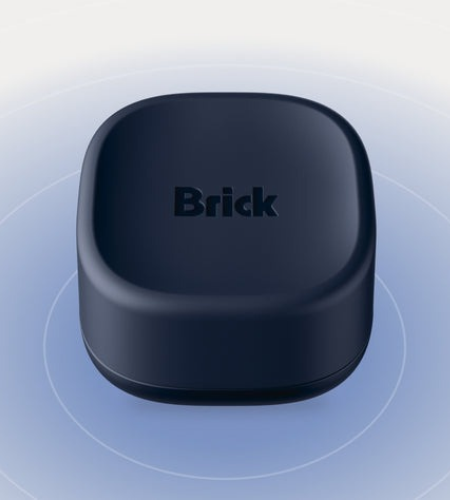
Brick offers a physical app-blocking solution designed to help users manage access to selected applications and websites.
Brick for Dedicated Reading Sessions
The standard Brick device works with the Brick mobile app. You select the applications and websites you want to block, create a customized mode, and activate it by tapping your compatible smartphone against the physical device.
For example, you could create a reading mode that blocks social media and entertainment applications while keeping essential communication available according to your settings.
This can help establish a clearer boundary between reading time and recreational phone use.

Brick Night for Evening Routines
Brick Night uses Bluetooth technology to automatically block selected applications when your phone enters a designated space during configured hours.
It may be useful if you prefer reading in your bedroom and want fewer digital distractions during your evening routine.
The two products have different purposes: standard Brick supports manually activated or scheduled blocking, while Brick Night adds automatic, space-based blocking.
Consider your daily routine and preferred activation method before choosing either product.
Frequently Asked Questions
1. How many minutes should I read every day?
Start with 10 to 15 minutes if you are new to regular reading. You can increase the time gradually as the habit becomes easier.
2. How can I develop a reading habit when I am busy?
Choose a short daily reading period and connect it to an existing routine. Even a few pages during a break can help maintain consistency.
3. What should beginners read first?
Start with subjects you already enjoy. Fiction, biographies, practical guides, and introductory nonfiction books are all possible choices.
4. How do I stop checking my phone while reading?
Silence unnecessary notifications, place your phone out of reach, and consider an app-blocking tool if you repeatedly open distracting applications.
5. Can an app blocker help improve reading consistency?
An app blocker can help reduce access to selected distracting applications during reading sessions. It supports your routine but does not replace the habit itself.
Conclusion
Building a consistent reading habit does not require expensive books, complicated schedules, or hours of free time. Start with a few minutes each day, choose subjects you enjoy, create a comfortable reading space, and protect that time from unnecessary interruptions.
Reducing smartphone distractions can make your reading routine easier to maintain. Brick offers physical app-blocking products that may help you create dedicated periods for reading and other important activities. Visit the official Brick store to explore its available options and see whether they fit your digital habits.